

Fun and Effective Ways to Help Kids Memorize the Quran
Say goodbye to tears and frustration. Discover proven, engaging methods to help your children love their Hifz journey while living in a fast-paced Western environment.
The Challenge of Modern Distractions
Let’s face reality: expecting a child who plays video games and watches fast-paced cartoons to sit perfectly still and memorize lines of Arabic through sheer repetition is a recipe for frustration. For parents in the USA, UK, and Canada, competing with iPads and TV screens is the hardest part of teaching the Quran.
Memorizing the Quran (Hifz) does not have to be a rigid, boring chore. By tapping into a child’s natural love for stories, games, and rewards, you can turn their Quran time into the highlight of their day.
1. The Power of “Passive Listening”
Children are like sponges; they absorb their environment effortlessly. Before asking your child to actively memorize a Surah, make them listen to it passively.
Play the target Surah (preferably recited by a child or a reciter with a clear, engaging voice like Sheikh Minshawi with children repeating) in the car during the morning school run, or softly in the background while they are drawing. By the time you sit down to actually teach it, their brain has already memorized the rhythm, making the actual memorization 10x faster.
2. Gamify the Hifz Journey
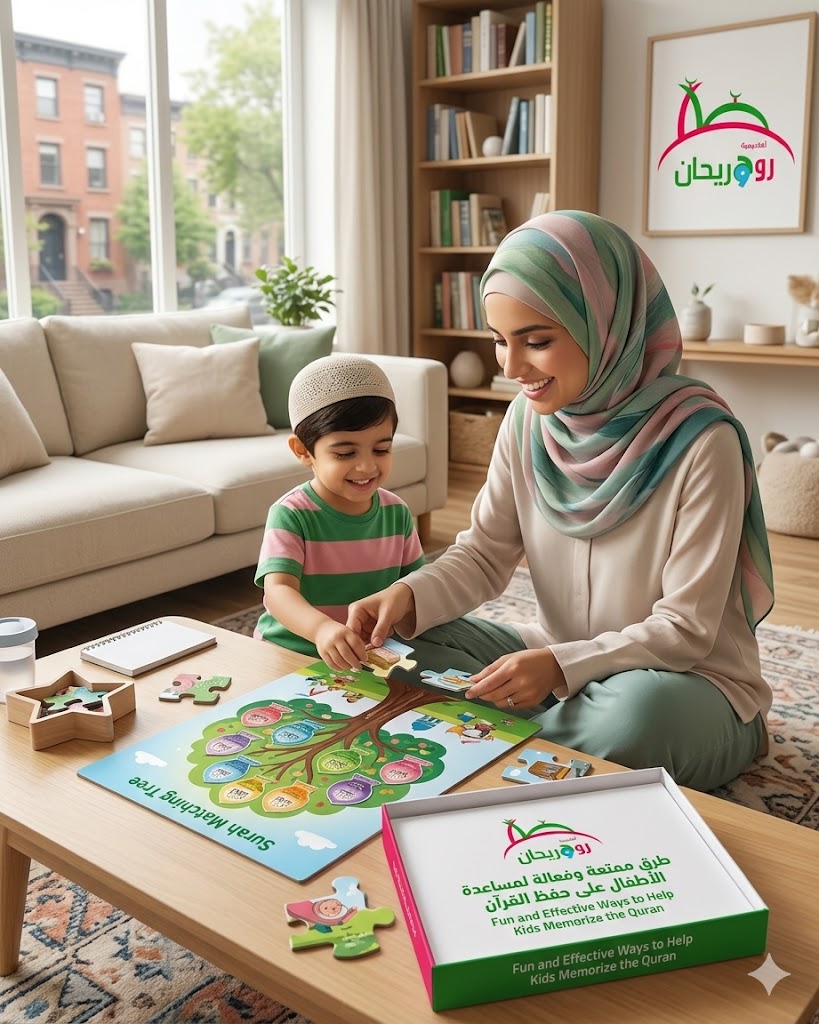
Kids thrive on visual progress and immediate rewards. Create a “Quran Tree” poster for their bedroom wall. Every time they memorize a new Surah, let them place a leaf sticker on the tree.
Tie these milestones to experiences, not just toys. For example: “If you finish Surah Al-Fil this week, we will go to your favorite park on Saturday.” This associates the Quran with joy and family bonding.
Need a fun, engaging tutor for your child?
Take the pressure off yourself. Our Al-Azhar certified tutors specialize in teaching kids through interactive screen-sharing, games, and positive reinforcement.
Claim Your Child’s 2 Free Trial Classes3. Tell the Story Behind the Surah
It is incredibly hard to memorize words you don’t understand. Before starting a new Surah, tell them the story behind it in English like a bedtime story.
If they are memorizing Surah Al-Fil, tell them the epic story of the King with the elephant army and the birds that protected the Kaaba. Once their imagination is hooked, they will want to learn the Arabic words that tell that story.
4. Keep it Short and Sweet (Micro-Memorization)
A common mistake parents make is pushing their child to memorize for 45 minutes straight. This leads to burnout. A young child’s attention span is roughly 10 to 15 minutes.
Aim for just one or two verses a day. Do it for 15 minutes after Maghrib prayer, then let them go play. This consistency builds up massively over time without causing resentment toward the Quran.