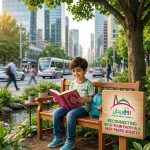
Learn Islamic Manners & Values
A complete learning journey for kids and adults focused on Akhlaq, Adab, honesty, kindness, respect, patience, gratitude, and strong Muslim character.
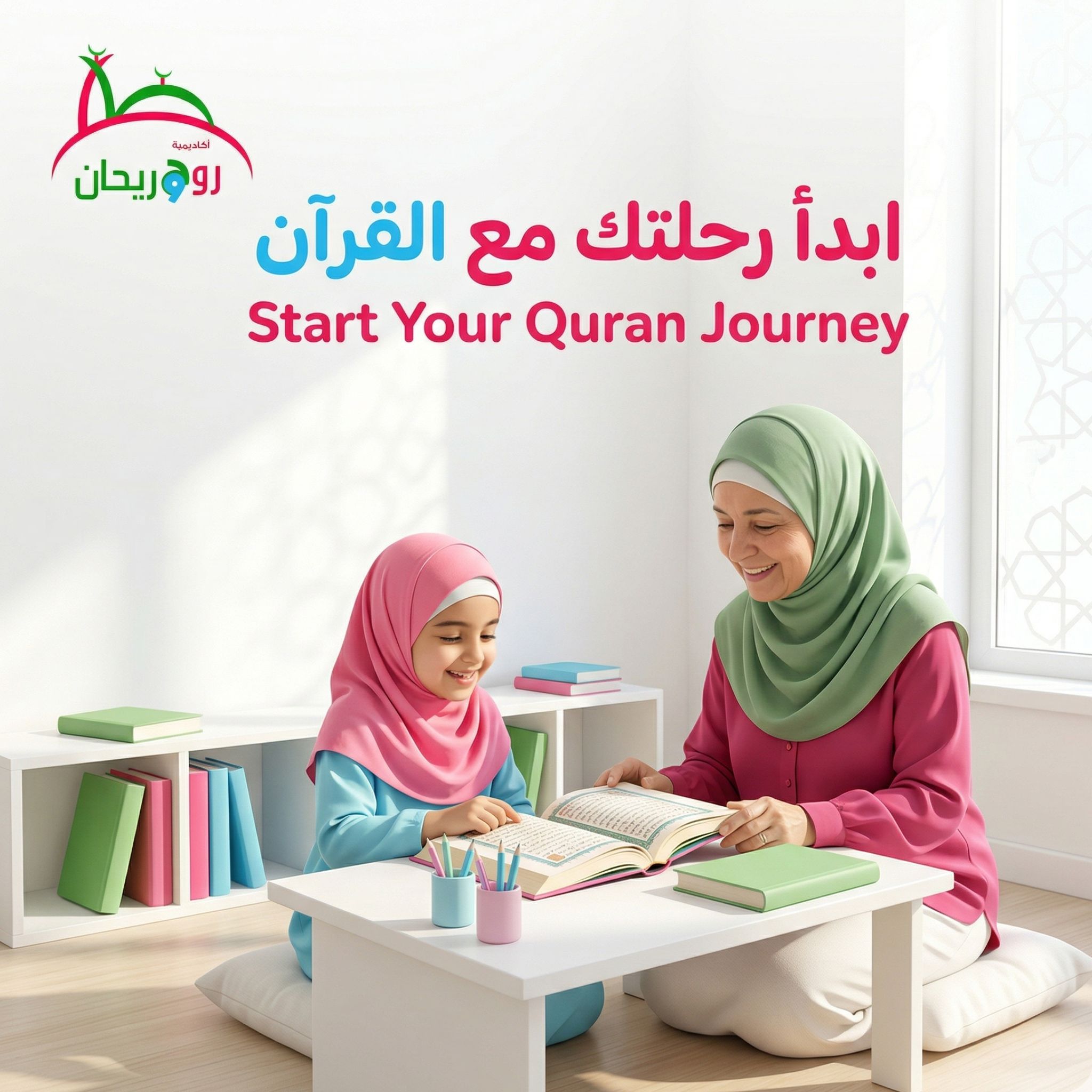
Islamic education is not only about information. It is also about behavior, attitude, and the way a Muslim treats Allah, family, community, and daily responsibilities. That is why learning Islamic Manners & Values is such an essential part of raising children and strengthening adults.
At Rouh & Rehan Academy, our program focuses on building real-life Islamic character through topics like Akhlaq, Adab, honesty, patience, gratitude, kindness, modesty, respect for parents, and good conduct with others. These values help shape a Muslim personality that reflects the guidance of the Quran and the Sunnah.
Why Islamic Manners & Values Matter
A Muslim may know many things, but character is what makes knowledge visible in daily life. Good manners shape how a child speaks, how an adult responds to stress, how families treat one another, and how a believer carries Islam into the world. Strong values help turn belief into action.
When children learn kindness, honesty, gratitude, and respect from an Islamic perspective, they grow with a stronger moral compass. When adults revisit these values, they often find a clearer path to self-improvement, emotional discipline, and a better relationship with others. This is why Islamic character education is not optional—it is foundational.
Real-Life Practice
Apply Islamic values to honesty, patience, gratitude, mercy, and responsible daily behavior.
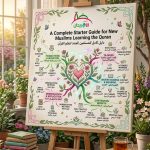
Islamic Manners & Values Mind Map
A clear visual path showing how Islamic values shape belief, behavior, relationships, and daily life.
Islamic Manners & Values
A complete path for building strong Muslim character through Akhlaq, Adab, honesty, respect, patience, and compassion.
💛 Akhlaq
Learn honesty, mercy, humility, gratitude, patience, sincerity, and responsibility.
🤝 Adab
Practice Islamic etiquette in speech, learning, visiting, eating, and dealing with others.
👨👩👧 Family Manners
Respect parents, care for siblings, speak gently, and build love and trust inside the home.
🕌 Worship & Behavior
Connect values to prayer, duas, cleanliness, discipline, and remembrance of Allah.
🌍 Social Conduct
Show kindness, fairness, modesty, good speech, and responsibility in school and community life.
🌟 Muslim Identity
Build a confident personality that reflects Islamic values in modern daily life.
Character Development Journey
Learn what Islamic values are and why they matter.
Recognize how behavior, speech, and choices reflect faith.
Apply kindness, respect, honesty, and patience in daily situations.
Repeat good habits until they become part of one’s personality.
Grow into a Muslim character shaped by values, not just information.
What Students Learn in These Classes
Our Islamic Manners & Values classes are designed to be practical and clear. Students do not just memorize words like honesty or patience—they learn what these values mean, why they matter in Islam, and how to apply them in real situations with parents, teachers, siblings, friends, and the wider community.
Depending on the age and level of the learner, lessons may include truthfulness, kindness, respect, gratitude, patience, forgiveness, responsibility, modesty, speaking gently, keeping promises, helping others, and behaving with dignity in all settings. This helps Islamic learning become lived behavior rather than abstract ideas.
Speech & Respect
Learn how to speak gently, avoid rude language, and show respect in conversation.
Home & Family Values
Practice kindness, obedience, cooperation, and emotional awareness inside the family.
Learning Etiquette
Build manners around studying, listening, asking questions, and respecting knowledge.
Daily Character Building
Strengthen honesty, patience, gratitude, self-control, and social responsibility.
Why Families Choose This Program
Families often want children to grow with good manners, but many need a structured way to teach those values consistently. Our program helps by turning Islamic manners into a clear, teachable journey rather than random reminders. It gives children and adults a deeper understanding of what good character looks like in Islam.
This is also valuable for adults who want to improve themselves. Many adults join these sessions to work on patience, better speech, emotional discipline, and stronger Islamic awareness in family life, work life, and personal conduct. Character learning is meaningful at every age.
Practical Teaching
Values are taught through relatable examples and easy-to-understand real situations.
Child-Friendly Approach
Children learn through simple guidance, repetition, and age-appropriate examples.
Adults Benefit Too
Adults revisit core values and improve their character with more intention and clarity.
Long-Term Impact
Good manners and values shape relationships, identity, and everyday decision-making.
Frequently Asked Questions
These are some of the most common questions families ask before joining Islamic Manners & Values classes.
What are Islamic manners and values?
What is the difference between Akhlaq and Adab?
Are these classes suitable for children?
Can adults join these classes too?
Do the lessons focus only on theory?
Will family manners be included?
Are the classes one-on-one or group-based?
Will the mind map be clear on mobile?
Build Beautiful Character Through Islamic Guidance
Give your child—or yourself—a meaningful path to stronger manners, better values, healthier relationships, and a more confident Muslim identity rooted in Akhlaq and Adab.
Claim My Free Trial