
Quran Reading for Kids: What Parents Should Expect
Parents usually want two things at once: good progress and a child who still wants to come back to the next lesson. Those goals belong together. Quran learning for children should be structured, but it should also leave room for patience, encouragement and the child’s actual attention span.
A useful Quran class for a child should have a clear objective, active reading, gentle correction and a manageable amount of practice. Progress should be judged over weeks, not after one difficult lesson.

Children do not all start from the same place
One child may already recognise the Arabic alphabet from school. Another may know a few letters from family practice. A third may have memorised short Surah passages by listening but still be unable to read them independently.
A teacher needs to discover that difference before choosing material. Starting too low can cause boredom, while starting too high can make a capable child feel that Quran reading is simply too difficult. Our Programs are designed around different starting levels rather than age alone.

Attention is part of the lesson plan
A child who can concentrate for twenty minutes should not be treated as if forty-five minutes of continuous reading will automatically be better. Good online teaching changes activity before attention disappears completely.
This can include short review, teacher modelling, the child reading aloud, a quick recognition task and then another reading attempt. Variety should support the skill, not distract from it.
The useful question is whether your child is reading with more understanding, accuracy and confidence than a few weeks ago.

The teacher-child relationship matters
Children notice tone immediately. A teacher can be firm about accuracy without making every correction feel heavy. The best fit is often a teacher who knows when to repeat, when to encourage and when a child is genuinely ready for a harder task.
Parents should listen to how the child talks about the class afterward. One bad day is normal. Repeated anxiety, silence or resistance may mean the pace or teacher match needs attention. Our Free Trial allows families to meet a teacher before making that decision.

Parents should support without becoming a second teacher
Home practice is valuable, but it does not need to become another full class. Ask the teacher for one or two specific things to review. A small target such as five minutes of letter joining or one short line can be enough.
If a parent corrects every sound differently from the teacher, the child can become confused. When you are unsure, let the teacher handle technical Tajweed correction and focus at home on consistency, listening and encouragement.

Look for confidence as well as accuracy
Progress is not only finishing pages. Notice whether your child begins a word without waiting for help, remembers a pattern from the previous lesson or corrects a mistake after hearing it once. These are signs of developing independence.
Keep the routine predictable. Children often do better when Quran time is part of the week rather than something negotiated from zero every day. Building a simple weekly routine can make home support much easier.
A helpful video for this lesson
Watch slowly, then return to your own reading and practise the point with your teacher.
Questions learners often ask
What age should a child start Quran reading?
Readiness matters more than one exact age. Children can begin early with letter and sound recognition when the teaching style matches their attention and development.
Should parents sit beside the child during online class?
Young children may need help with the device or focus. As independence grows, parents can gradually step back while still staying aware of progress.
What if my child does not like the teacher?
First find out whether it was one difficult lesson or an ongoing mismatch. If the relationship continues to feel uncomfortable, trying another suitable teacher can be reasonable.

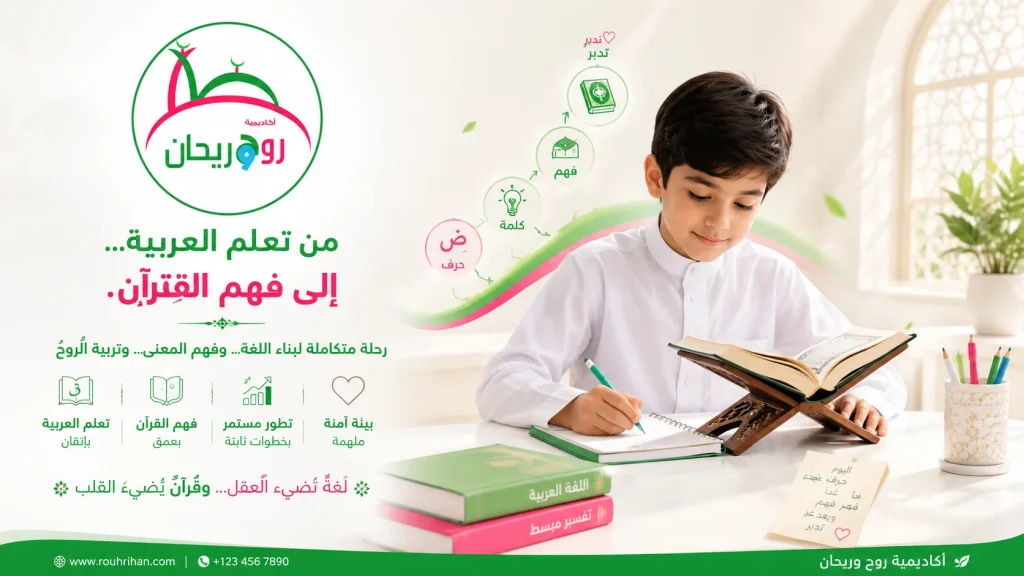

Want to see how a real lesson feels?
You do not need to commit before meeting a teacher. Try a lesson, ask questions, and see whether the pace feels right for you or your child.