
Rouh & Rihan Academy · Quran
Rouh & Rihan Academy — Hifz Foundations
A manageable introduction to memorisation built around small targets, accurate recitation and regular review.
In brief
What is Hifz Foundations?
A manageable introduction to memorisation built around small targets, accurate recitation and regular review. It is designed for students beginning a structured Quran memorisation routine. Lessons are taught live one-to-one, so the teacher can adjust correction, explanation and pace to the student rather than following a fixed group timetable.
At a glance
A clear starting point before the first lesson.
Why this program exists
The difficulty is usually more specific than “I need more lessons.”
New memorisers sometimes focus almost entirely on how much they can add. Without a revision habit, early memorisation can begin to weaken before the student has had time to build confidence.
That is why Hifz Foundations has a more specific purpose than a general class. The teacher can focus lesson time on the skill that is limiting the student’s progress while keeping the student’s broader development in mind.
Learning outcomes
What students work toward.
These are practical learning goals rather than promises that every student will reach the same point in the same number of lessons.
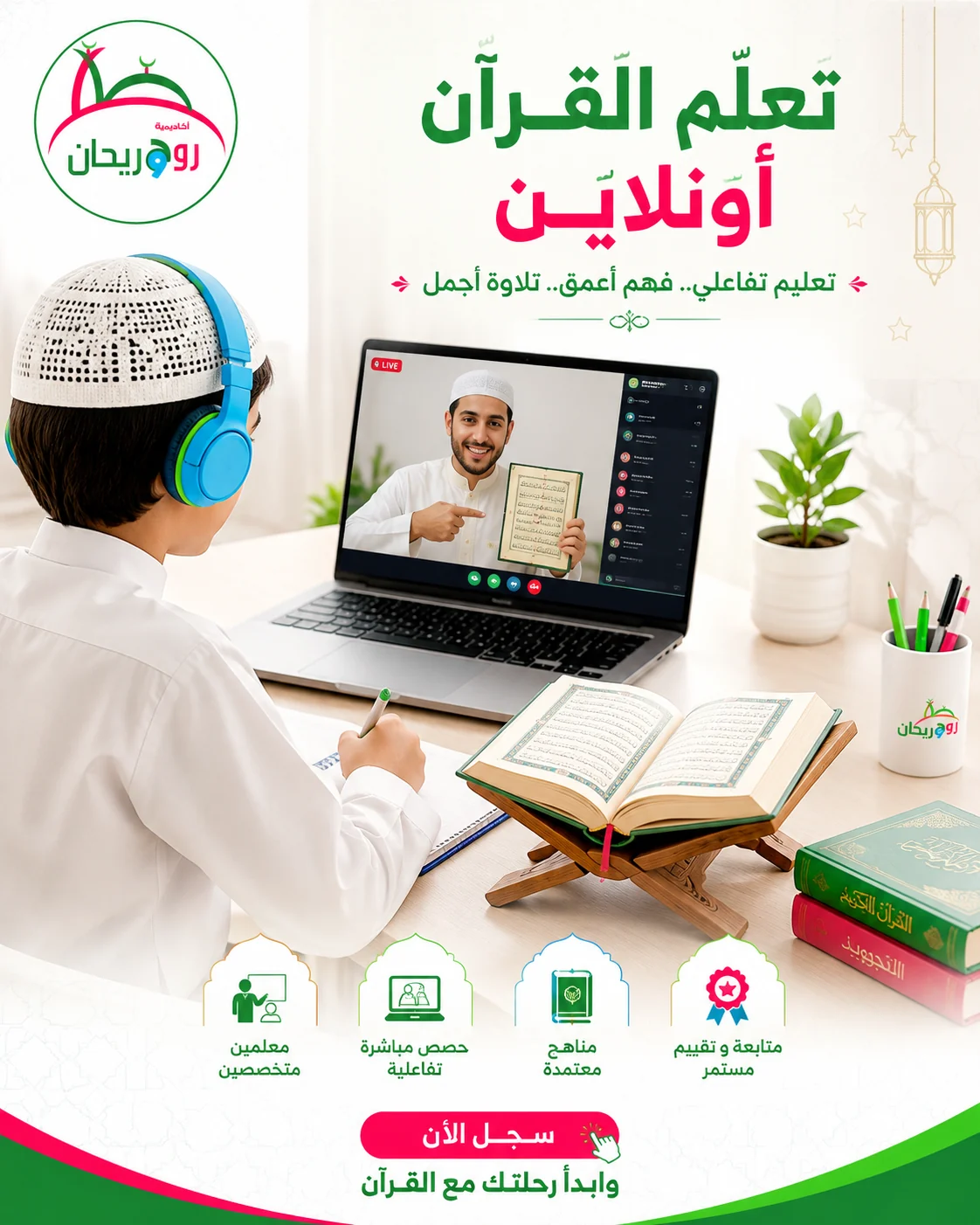
Learning should connect from one lesson to the next.
The live lesson, guided practice and work between lessons should feel like parts of the same learning process, not unrelated activities.
One-to-one teaching gives the teacher room to stay with a skill when it needs more work and move forward when the student is genuinely ready.
Teaching approach
How lessons are actually taught.
The teacher helps the student memorise smaller portions accurately, listens to them repeatedly and introduces revision from the beginning. New material is added only at a pace the learner can realistically maintain.
Start from the real level
The first sessions show the teacher what the student can do independently, where support is still needed and which gaps matter most.
Correct while the skill is being used
Feedback is connected to real reading, speaking, recitation or study rather than saved as a list of mistakes at the end.
Adjust the pace
A student who needs another week on a skill can take it. A student who is ready to move forward does not have to wait for a group.
Learning path
What progression can look like.
Establish the starting point
Establish an achievable daily memorisation and review routine.
Build the skill
Memorise short portions accurately with teacher correction before moving on.
Move toward independence
Increase the amount gradually while protecting previously memorised material.
Progress
Progress should be visible in the student’s work.
We do not treat progress as simply reaching the next page. A teacher looks for changes in what the student can do with less prompting, fewer repeated mistakes and greater consistency from one lesson to the next.
In Hifz Foundations, that means the learning outcomes above should gradually become things the student can demonstrate, not just points that have been explained once.
Between lessons
What happens outside the live session matters too.
Memorisation depends heavily on work between lessons. The student receives a clear portion to memorise and a separate portion to revise, so new learning never completely replaces old learning.
The amount should remain realistic. Students studying after school, at the weekend or across a changing family timetable need work they can actually maintain. Consistency is more useful than setting a large target that is repeatedly missed.
Practice stays realistic enough to maintain.
Students have school, work and family routines outside the lesson. Practice is most useful when it is clear enough to follow and small enough to repeat consistently.
The amount can grow as the student becomes more independent instead of assuming that every learner should carry the same weekly workload.
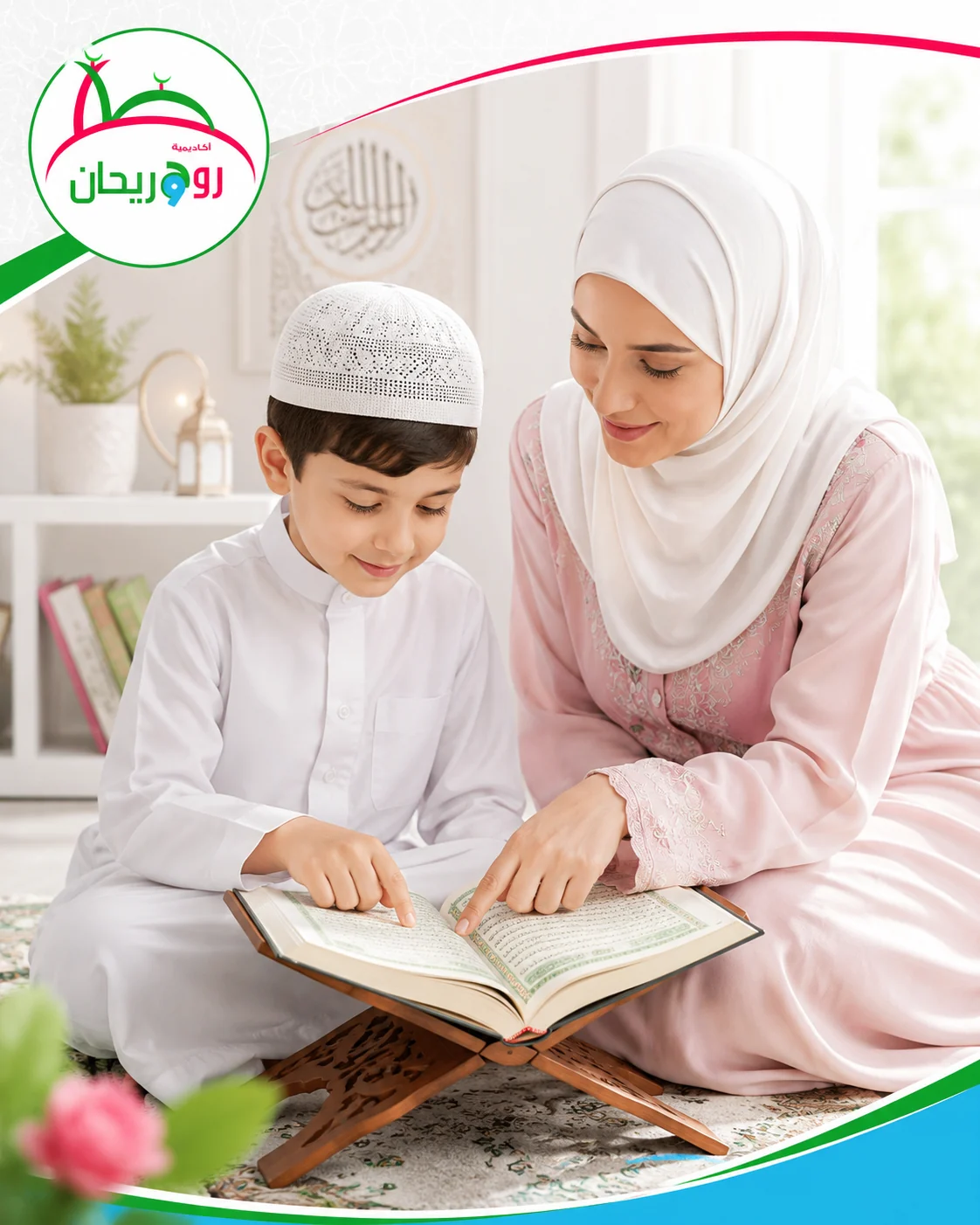
Is it the right fit?
The program should match the learner, not just the subject.
This program can be a good fit if…
Students beginning a structured Quran memorisation routine. A trial lesson can also help confirm whether the student’s current level matches the program.
Another program may be better if…
Students already carrying a substantial amount of memorisation but struggling to retain it may need Hifz & Revision instead.
Questions parents and students ask
Before starting Hifz Foundations.
Who is this program for?
Students beginning a structured Quran memorisation routine.
Are the lessons one-to-one?
Yes. The student works live online with one teacher. That gives the teacher time to listen, explain, correct and adjust the pace around the individual learner.
How long does the program take?
There is no honest single number that applies to every learner. Starting level, lesson frequency, practice between lessons and the amount of revision required all affect the pace.
Can lessons work around school, work or different time zones?
Lesson frequency can be adjusted to the student’s available revision time. Depending on teacher availability, students can use after-school, evening, daytime or weekend slots.
What if this turns out not to be the right program?
That is one reason we use a trial lesson. If the student’s actual starting point suggests another pathway would be more useful, the academy can recommend a different program before the family commits.
Continue exploring
Related programs.
Quran Reading Foundations
A calm starting program that builds the reading skills a student needs before moving into longer Quran passages.
Quran Reading
Focused reading practice for students ready to move from individual words to connected Quran reading.
Quran Reading for Children
Short, focused lessons that help children build reading confidence without making the lesson feel heavy.
Related reading
Articles connected to this program.
Useful reading from the academy for students and parents who want to understand the subject beyond the course outline.
How to Build a Weekly Hifz Revision Schedule
A strong Hifz plan separates new, recent and older memorization so each type receives the revision frequency it actually needs.
Hifz for Kids: A Balanced Quran Memorization Plan
Children can build strong Quran memorization when progress, revision and emotional comfort are kept in balance.
Tajweed vs Hifz: Which Should Come First?
Tajweed and Hifz are not competing subjects; a good plan uses enough recitation accuracy to protect what the learner memorizes.
Start with the student’s real level.
A trial lesson gives you a chance to meet the teacher, see how the lesson works and decide whether Hifz Foundations is the right next step.
Book a Free Trial