Islamic Manners for Kids in Everyday Life
Children learn manners through what is repeated around them. A lesson about kindness matters, but the child also needs to see how kindness sounds when speaking to a sibling, how respect works during disagreement and how honesty looks after a mistake.
Teach one or two Islamic manners through real daily situations, model them consistently and praise sincere effort instead of turning character into a long list of rules.
Start with situations the child recognises
Greetings, eating, speaking to parents, sharing, apologising and caring for belongings are easier to practise than abstract character words. A teacher can name the Islamic value, while the family shows where it appears during an ordinary day.
Model the manner you want repeated
Children quickly notice when adults demand calm speech while shouting. Character teaching becomes stronger when parents and teachers demonstrate the same respect they expect. The Sunnah of the Prophet ﷺ gives the wider model, which is why Why Seerah Matters is valuable for children.
A calm example of good character can teach more deeply than a long speech about good character.
Correct behaviour without labelling the child
Saying “that was an unkind choice” is different from telling a child “you are rude”. The first gives the child something to change. Islamic education should make repentance, apology and improvement feel possible rather than turning one mistake into a permanent identity.
Repeat the same values across different settings
Honesty at home, honesty at school and honesty during an online game are the same character principle appearing in different places. Ask simple questions that help the child recognise the connection. This turns manners into a way of thinking rather than a classroom topic.
Keep character connected to worship
Islamic manners are not separate from faith. A child learns that Allah knows how we treat people and that good character belongs to being a Muslim. How to Teach Islam to Children gives a broader approach for keeping those conversations natural.
Watch and understand the idea
A useful video can make the idea easier to hear or see before you practise it in your own lesson.
Questions learners often ask
Which Islamic manners should children learn first?
Begin with daily behaviours such as greetings, respectful speech, honesty, kindness, cleanliness and responsibility.
Should I punish every bad manner immediately?
Correction should match the child and situation. The goal is to teach the better behaviour, not simply create fear of being caught.
How can online Islamic classes teach manners?
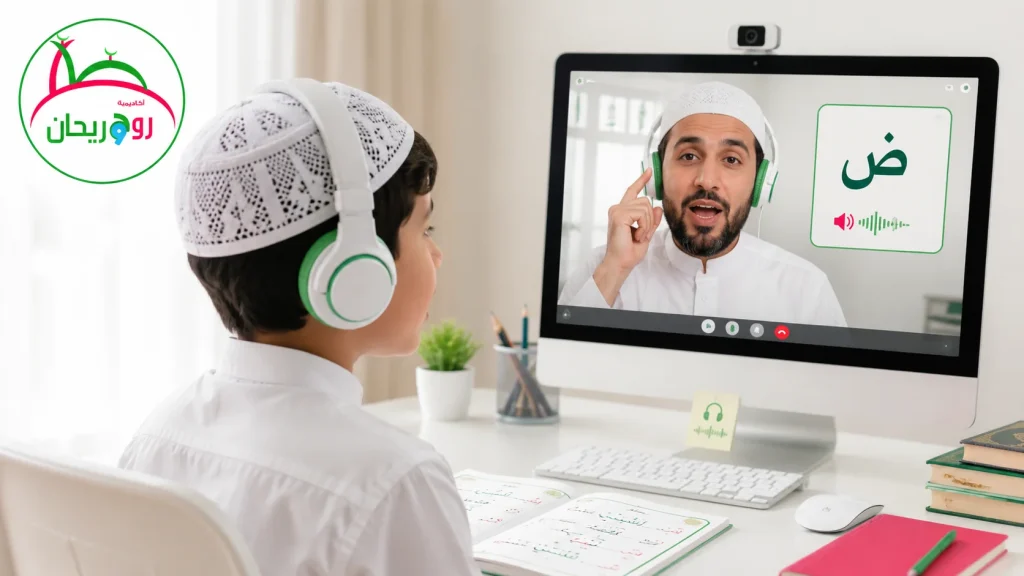
Teachers can use stories, questions and real scenarios while parents reinforce the same values in daily family life.
Islamic manners develop through explanation, example and consistent practice,
not through rules alone. The
Online Islamic Studies Program
connects character with faith and everyday Islamic learning. Parents can also
review our teachers
when choosing support for their child.
Learn with a teacher who starts from your real level.
Explore the learning paths or meet a teacher first. You can try the lesson and decide whether the pace and teaching style feel right.