How to Teach Islam to Children Without Making It Feel Like a Lecture
Children are often most curious about Islam when the conversation begins with something they actually noticed. A question after prayer, a problem with a friend or a story from the Seerah can open a better learning moment than announcing a thirty-minute family lecture.
Use short conversations, stories, real situations and family worship as teaching moments, then use structured lessons to organise and deepen what the child is already experiencing.

Answer the question the child actually asked
Adults sometimes turn a small question into five unrelated lessons. Give the child a clear answer first. If curiosity continues, go deeper. This teaches children that asking about Islam leads to understandable guidance rather than an overwhelming speech.
Use stories to carry meaning
Children remember people and events more easily than abstract lists. A carefully taught Seerah story can show courage, mercy or patience in action. Why Seerah Matters explains why connected biography is stronger than collecting dramatic stories without context.

Family life creates meaning; structured lessons make sure important foundations are not accidentally missed.
Let worship create natural teaching moments
Preparing for Salah, saying a Dua or reading Quran gives the family opportunities to explain one small idea exactly when it is relevant. The child can immediately see where the knowledge belongs. This is more memorable than separating every Islamic concept from daily life.
Do not use Allah only when correcting behaviour
If a child hears about Allah mainly after making a mistake, religious language can become associated with fear and punishment alone. Teach gratitude, mercy, creation, worship and love of good deeds as well as accountability. A balanced picture supports healthier Islamic identity.
Keep a structured class for what home cannot organise
Natural conversation does not remove the need for a curriculum. A teacher helps cover belief, worship and Islamic knowledge systematically while home makes the learning lived. Explore the Programs or use the Free Trial to find the right starting level.
Watch and understand the idea
A useful video can make the idea easier to hear or see before you practise it in your own lesson.
Questions learners often ask
How long should Islamic lessons for children be?
The useful length depends on age and attention. Short focused learning is often more effective than stretching the lesson after engagement disappears.
What if I do not know the answer to my child’s Islamic question?
Say that you will check rather than guessing, then return with a reliable answer or ask a qualified teacher.
Should parents and teachers use the same topics?
They can reinforce one another, while the teacher provides structure and the family provides real-life practice.
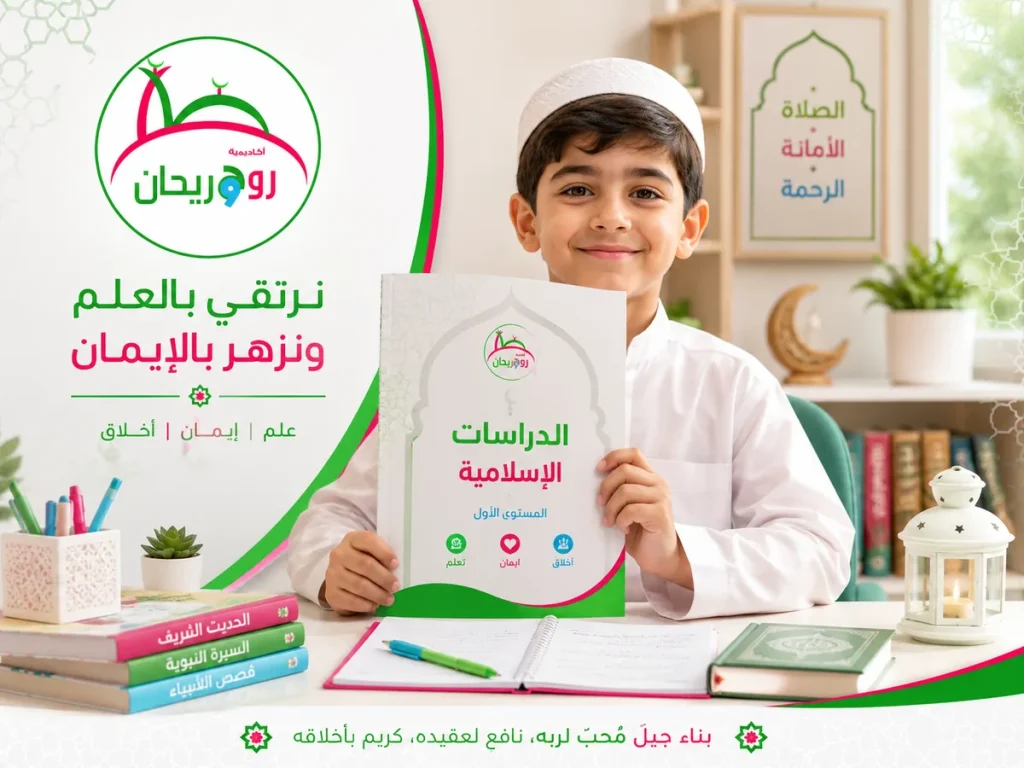
Children often learn Islam best when lessons are clear, relevant and connected
to everyday life. The
Online Islamic Studies Program
provides a structured pathway for this development, and parents can
review our Islamic Studies teachers
before choosing a regular plan.
Learn with a teacher who starts from your real level.
Explore the learning paths or meet a teacher first. You can try the lesson and decide whether the pace and teaching style feel right.