
What If Your Child Does Not Connect With Their Quran Teacher?
Children sometimes say “I do not like the teacher” after being corrected, feeling tired or finding the lesson difficult. That does not automatically mean the teacher is a poor match. Parents need to look for patterns rather than make the decision from one emotional afternoon.
Ask what the child is experiencing, observe several lessons and distinguish normal learning frustration from an ongoing communication or personality mismatch.

Ask a specific question instead of “Do you like the teacher?”
A yes-or-no question gives little information. Ask what part of the class feels difficult, when the child becomes uncomfortable or what they wish happened differently. The answer may reveal boredom, fear of mistakes, technical problems or simply a challenging new skill.

Observe whether the child recovers after correction
Good learning includes moments of difficulty. The question is whether the child can try again after a correction or shuts down for the rest of the lesson. Quran Reading for Kids explains why confidence and accuracy should grow together.
Learning can be challenging without being unhealthy; repeated shutdown and anxiety are different signals.

Talk to the teacher before assuming the relationship cannot improve
The teacher may not know the child is anxious or that a particular correction style is causing confusion. A short conversation can lead to a slower pace, more visual support or a different lesson rhythm. Give reasonable adjustments a chance to work.

Know when the pattern is becoming consistent
If resistance appears before nearly every lesson, the child rarely participates and reasonable changes have not helped, the match deserves reconsideration. A different teacher can preserve Quran learning instead of allowing the child to associate the subject with repeated stress.

Changing teacher can be calm and respectful
There is no need to make the situation dramatic. Changing Quran Teachers explains how a change can be handled without blaming the child or teacher. Rouh & Rihan’s Free Trial also allows families to experience another teacher before deciding.
Watch and understand the idea
A useful video can make the idea easier to hear or see before you practise it in your own lesson.
Questions learners often ask
Should I change the teacher immediately if my child complains?
Usually it is helpful to understand the specific problem and observe the pattern before making a decision.
Can a strict teacher still be a good teacher?
Yes, but standards should be communicated in a way that allows the child to keep participating and learning.
Will changing teachers confuse my child?
A well-managed transition can be smooth, especially when the new teacher understands the learner’s current level and previous material.
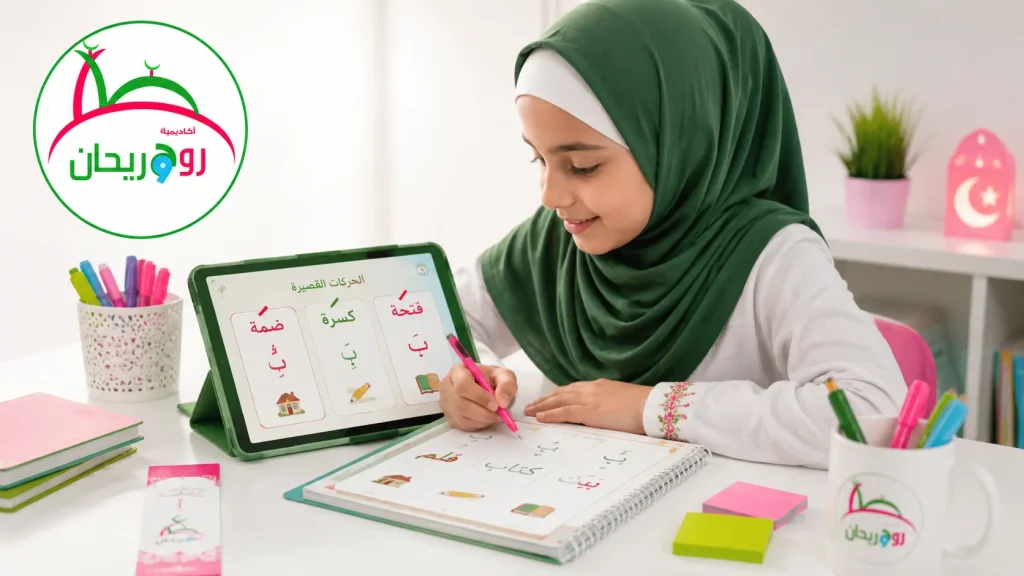


When a child does not connect with a teacher, the goal is not to force the
relationship but to understand what is making learning difficult. Our
Parent Guidelines
explain how families can support learning at home, while
our teacher approach
shows the qualities we look for when matching learners.
Learn with a teacher who starts from your real level.
Explore the learning paths or meet a teacher first. You can try the lesson and decide whether the pace and teaching style feel right.