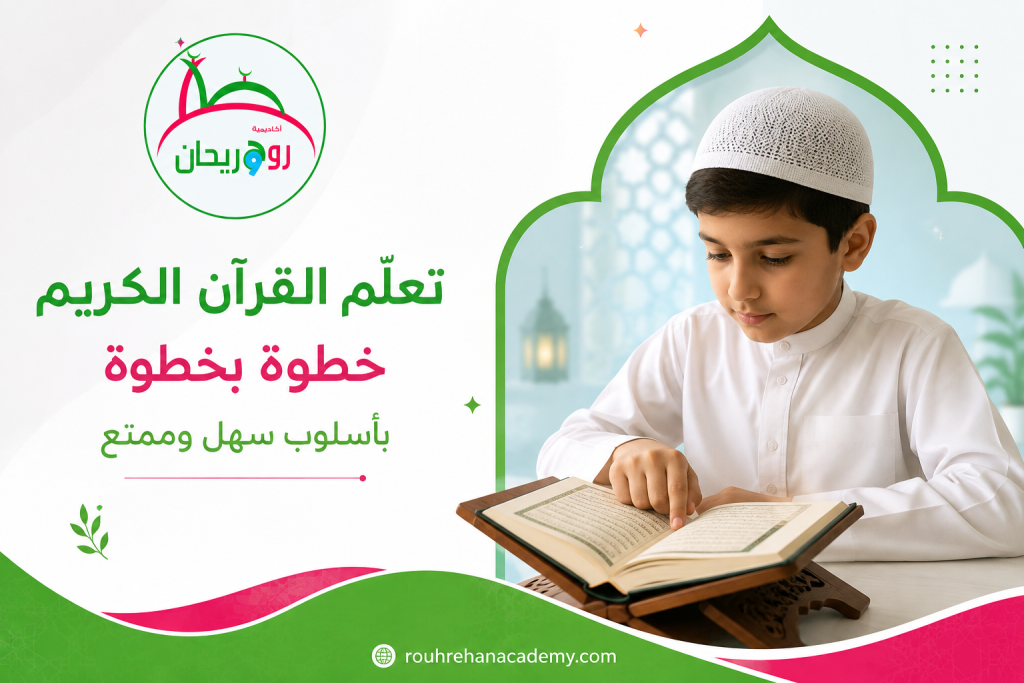
Real Moments from Our Online Quran Classes: Stories Our Teachers Will Never Forget
Behind every online Quran lesson there is a real child, a real teacher and small moments that change how a student feels about learning. In this first story, Quran teacher Islam Awny shares how a very shy student slowly found his voice – and what that taught him about teaching the Quran with patience.
Quick answer
Shy children rarely need more pressure. They need a safe routine, short familiar passages, gentle one-step corrections and praise for genuine effort. Once a child stops fearing mistakes, recitation usually grows on its own.
The story: when a quiet student found his confidence
One of the things I have learned as an online Quran teacher is that teaching is not always about correcting pronunciation or helping a student memorise another verse. Sometimes, the first thing we need to teach is confidence.
I remember working with a young student who was extremely shy during our online lessons. He rarely spoke unless I asked him a direct question. When it was time to recite, his voice became so quiet that I sometimes struggled to hear him.
At first, I focused on helping him feel comfortable rather than pushing him to recite more. I began each lesson with a short, friendly conversation about his day. Then, instead of asking him to recite a long passage, I invited him to read just one or two familiar verses. Whenever he made a mistake, I corrected it gently and gave him the opportunity to try again.
The turning point came during a lesson when he started reciting without waiting for me to ask. He wasn’t suddenly perfect. He still made mistakes, but something important had changed: he was no longer afraid to try.
— Islam Awny, Quran teacher at Rouh & Rihan Academy
Why confidence comes before correct recitation
A child who is afraid of getting it wrong will often read more quietly, more slowly or not at all. The teacher then hears less, corrects less effectively, and the child feels even more exposed. Breaking that cycle is usually the first real step in Quran learning for a shy student.
In this story, nothing dramatic happened. There was no special technique or reward system. The teacher simply lowered the pressure: a friendly start, a very small task, and corrections that felt like help rather than judgement. That combination made it possible for the child to take the risk of reciting on his own.
The real milestone
The breakthrough was not a perfect recitation. It was the moment the child chose to start reciting without being asked.
What helped this student – and can help yours
A warm start to every lesson. A minute or two of conversation about school, family or the child’s day tells them the teacher sees them as a person, not only as a reciter.
Small, familiar portions. Starting with one or two verses the child already knows means they begin the lesson with success instead of struggle.
One correction at a time. Pointing out every mistake at once overwhelms a shy learner. Focusing on one clear point, then letting the child try again, keeps the lesson calm and productive.
A second chance, every time. When a correction is always followed by another attempt, mistakes stop feeling final. They become part of learning.
Signs your child is gaining confidence
Progress for a shy child is not always measured in pages. Look for a slightly louder voice, fewer pauses before starting, the child asking a question, or – as in this story – beginning to recite before being prompted. These small changes are often the start of faster progress later.
How parents can support a quiet learner at home
Avoid asking your child to “perform” for relatives or comparing them with siblings. Instead, listen to a short familiar passage together, praise something specific (“your voice was clearer today”), and let your child’s teacher know what seems to make them nervous. A teacher who understands the child’s personality can adjust the lesson much more effectively.
In Islam Awny’s words, the experience was a reminder that a child’s relationship with the Quran grows through patience, encouragement and trust. As teachers at Rouh & Rihan Academy, our responsibility is not only to help children read correctly, but also to make them feel safe, supported and proud of every genuine step forward.
Questions parents often ask
My child is very quiet in Quran lessons. Is that a problem?
Not necessarily. Many children are quiet at first, especially online. What matters is whether the teacher gives them a safe, predictable space and small chances to succeed.
Should the teacher still correct a shy child’s mistakes?
Yes, but gently and one point at a time. Correction should feel like help, followed by a chance to try again, not like a judgement.
How long does it take for a shy child to gain confidence?
It varies. Some children open up within a few lessons, others need weeks. Steady encouragement and familiar material usually speed things up.
Story and review
This article is based on a real teaching experience shared and reviewed by Islam Awny, Quran teacher at Rouh & Rihan Academy. Student details have been kept private.