
How to Learn Arabic Online as a Non-Arabic Speaker
Arabic becomes much easier to plan when you stop treating “learn Arabic” as one giant task. A student may want to read the Quran, understand sermons, speak with relatives or build formal language skills. Those goals overlap, but they do not require exactly the same first lesson.
Define whether your immediate goal is reading, Quranic understanding, conversation or broader Arabic, then build one clear foundation and practise it regularly with feedback.

Choose the first skill before choosing the course
A learner focused on Quran reading may begin with the Arabic alphabet and vowel signs. Someone who already reads but wants comprehension may need vocabulary and Arabic grammar. A conversational learner needs listening and speaking early. Our Programs separate these routes instead of forcing every learner through the same starting point.
Build literacy if the script is still unfamiliar
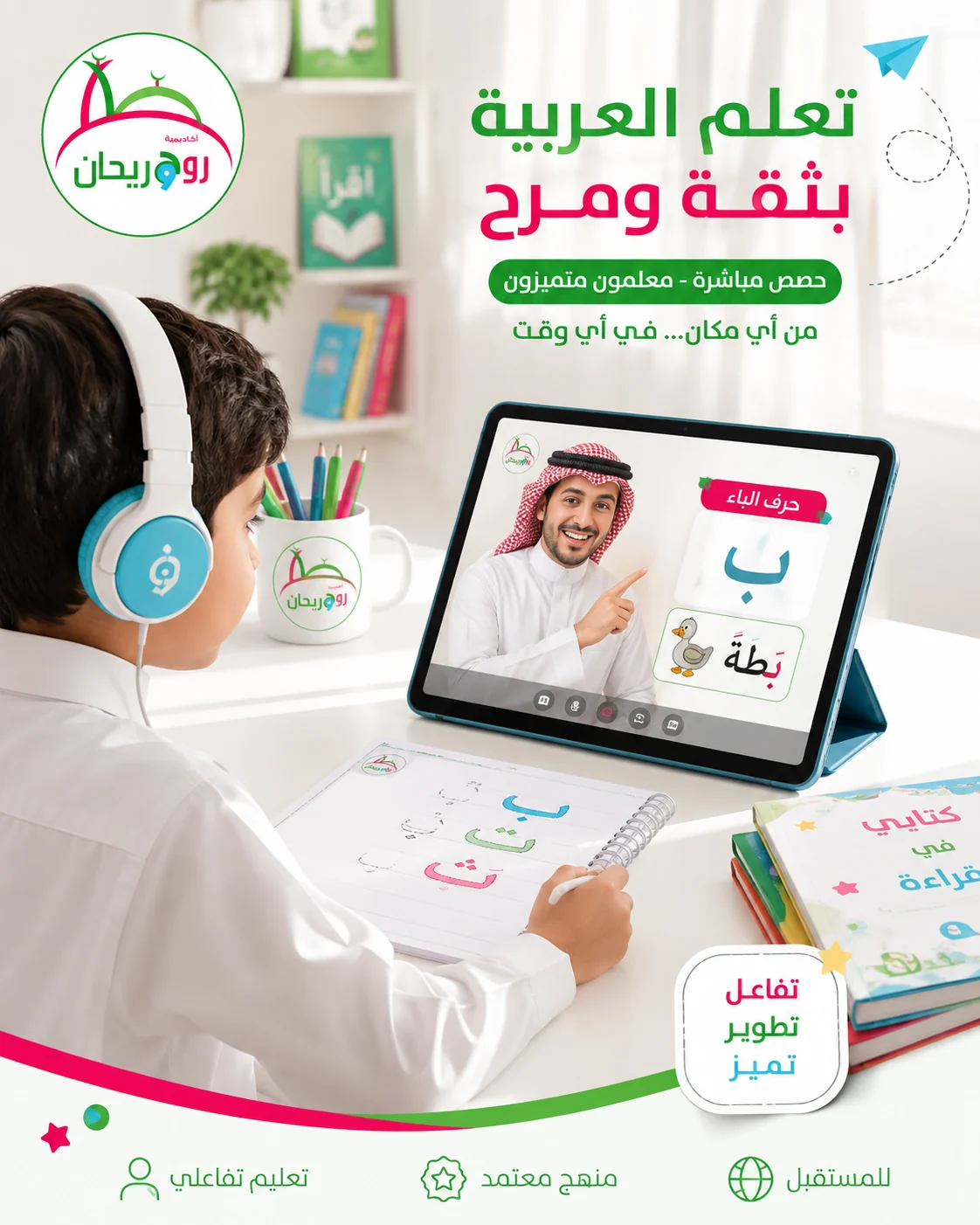
Arabic letters change shape according to position, and short vowels may be marked differently from what an English speaker expects. Learning those patterns carefully saves confusion later. Arabic Alphabet for Beginners and How Arabic Letters Connect form a practical reading foundation.
You do not have to improve reading, speaking, grammar and Quranic vocabulary at exactly the same speed.
Use vocabulary in context
Long isolated word lists feel productive until you try to understand a sentence. Learn high-frequency words inside short phrases, revisit them and notice how they change. How to Build Arabic Vocabulary That Actually Sticks shows how to move words from recognition into usable memory.
Let grammar explain what you already see
Grammar is useful when it helps you understand a real sentence. Starting with every case, exception and technical term can make Arabic feel abstract. A better beginner path introduces a small pattern, sees it repeatedly in reading and then gives the pattern a name.
Keep contact with Arabic across the week
Two lessons cannot carry the whole language by themselves. Short reading, listening or vocabulary review between classes keeps the language active. If you want to experience the teaching style first, use the Free Trial and tell the teacher exactly why you want to learn Arabic.
Watch and understand the idea
A useful video can make the idea easier to hear or see before you practise it in your own lesson.
Questions learners often ask
Can I learn Arabic online from zero?
Yes. A beginner can start from letter recognition and pronunciation, then move into words, sentences and the skill that matches their goal.
Do I need to speak Arabic to understand Quran?
Speaking can support language development, but Quranic understanding also requires vocabulary, grammar and context specific to the Quran.
How many Arabic lessons should I take each week?
The best number depends on your available practice time. Regular contact between lessons matters as much as the formal class count.
If you want to move from general advice into a structured learning pathway,
explore the
Online Arabic Program.
It brings reading, vocabulary, grammar and communication together according
to the learner’s actual level. You can also
meet our Arabic teachers
before choosing a regular learning plan.
Learn with a teacher who starts from your real level.
Explore the learning paths or meet a teacher first. You can try the lesson and decide whether the pace and teaching style feel right.