Arabic Alphabet for Beginners: What to Learn First
Many beginners can sing the Arabic alphabet but still freeze when the same letters appear inside a word. That happens because letter names are only one layer of literacy. The learner also needs the sound, the visual family and the different shapes a letter takes when connected.
Learn each letter’s sound and common shapes, then practise recognising it inside simple connected words instead of waiting until every isolated letter is memorized perfectly.

Connect the name to the sound
The letter name helps you talk about the alphabet, but reading depends on the sound it contributes to a word. Practise seeing the letter and producing its sound without needing to recite the whole alphabet sequence first. This makes later word recognition much faster.
Expect the shape to move and change
Arabic is written from right to left, and many letters have different beginning, middle and ending forms. Those forms are not new letters; they are the same letter adapting to its position. How Arabic Letters Connect in Words should therefore begin soon after isolated recognition.

As reading improves, you stop naming each letter mentally and begin recognising the word more directly.
Learn visually similar letters together carefully
Several Arabic letters share a basic shape and are distinguished by dots. Grouping them can help memory, but it also creates easy confusion. Compare the family slowly and read examples where only the dots change. Accuracy here protects both Arabic literacy and later Quran reading.
Add short vowels early
Letters become useful when the learner can combine them with Harakat. Fatha, Kasra and Damma turn static shapes into readable sound units. Harakat Explained introduces these marks without requiring a large grammar lesson.
Move into simple words before boredom arrives
Beginners need the satisfaction of reading something real. Once several letters and vowel patterns are stable, use short words that only contain known material. This proves the alphabet is becoming a reading skill rather than a memorized list. You can explore the broader Arabic pathway on Programs.

Watch and understand the idea
A useful video can make the idea easier to hear or see before you practise it in your own lesson.
Questions learners often ask
Should I memorize all 28 letters before reading words?
You can begin reading simple words using letters you already know while continuing to learn the rest of the alphabet.
Why does the same Arabic letter look different?
Many letters change form according to whether they appear alone, at the beginning, middle or end of a connected word.
Should I learn letter names or sounds first?
Learn both, but reading practice should quickly connect the visual letter to the sound it produces.


Learning the alphabet is the beginning of the Arabic journey, not the end.
Once letter recognition becomes more comfortable, the
Online Arabic Program
provides a structured path into connected reading, vocabulary and practical
language development.
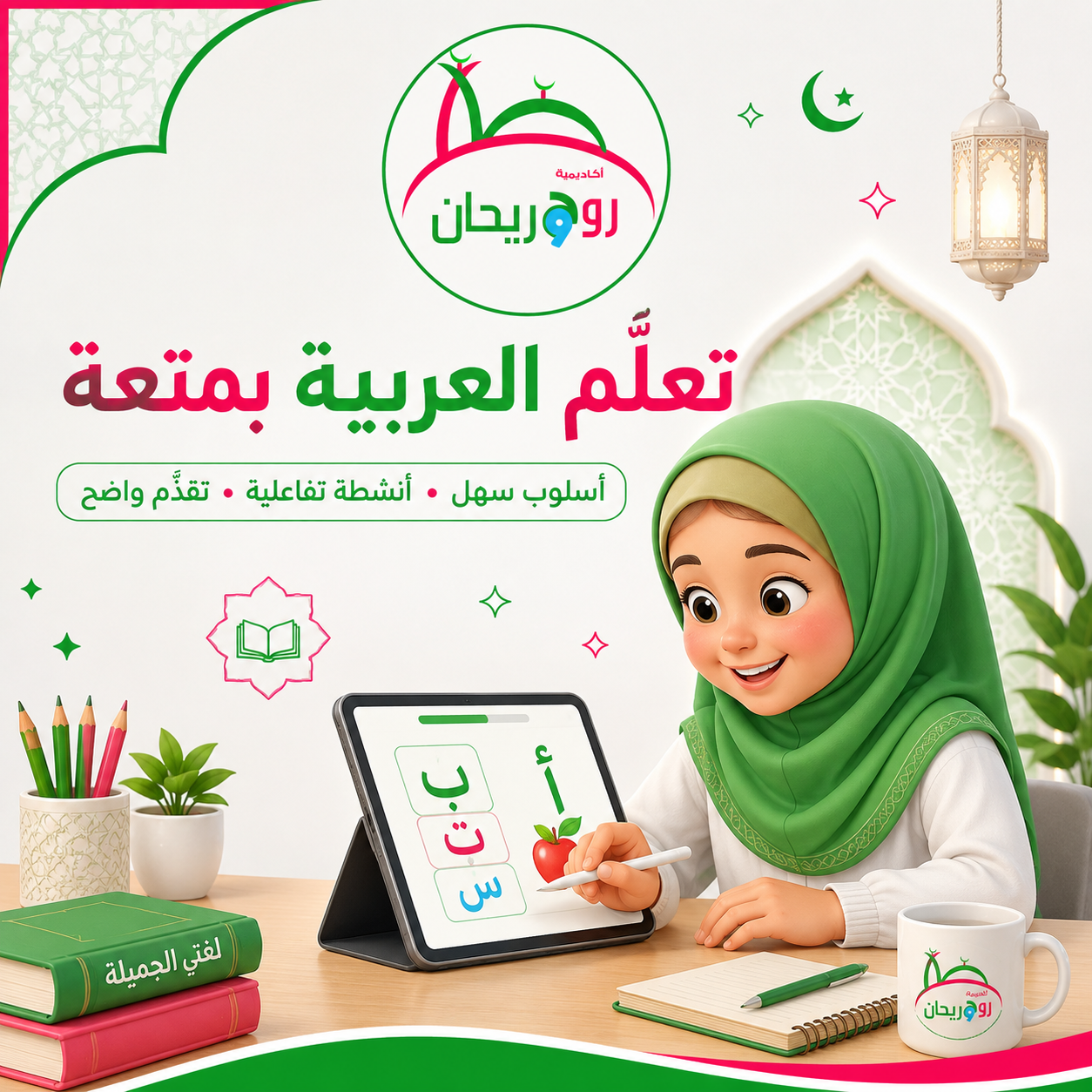
Learn with a teacher who starts from your real level.
Explore the learning paths or meet a teacher first. You can try the lesson and decide whether the pace and teaching style feel right.