Harakat Explained: Fatha, Kasra and Damma
Harakat are the short-vowel marks that help a reader know how an Arabic letter should be voiced. For a beginner, Fatha, Kasra and Damma are among the first marks that turn letter recognition into actual reading.
Fatha gives a short a-like sound, Kasra a short i-like sound and Damma a short u-like sound. Learn them through repeated letter and word combinations rather than definitions alone.

See the letter and vowel as one reading unit
A common beginner habit is to name the letter first and then search for the vowel. That makes every syllable slow. Practise recognising the combination together so the eye sees the letter plus its mark as one sound instruction.

Avoid forcing English vowel sounds onto Arabic
English spelling contains many changing vowel sounds, so English examples can only approximate Arabic pronunciation. Listen to a teacher model each Harakah and keep the sound short. Clear listening is especially useful when the learner later moves into Quran reading.
Harakat may look visually minor, but they are essential instructions for accurate beginner reading.

Mix the vowels instead of drilling only one row
Reading ten Fatha examples in a row can become predictable. Once the basic sound is clear, mix Fatha, Kasra and Damma so the learner must actually notice the mark. That small change turns repetition into recognition rather than pattern guessing.

Bring Harakat into connected words
Vowels should soon appear inside the same connected Arabic the learner wants to read. Combine this guide with How Arabic Letters Connect so the student learns to track both letter shape and vowel sign at the same time.

Use accurate slow reading before speed
Missing a tiny mark can change a word, so beginners should give the eye enough time to notice it. Speed grows when recognition becomes automatic. The same principle appears in Common Quran Reading Mistakes, where guessing and rushing often hide vowel errors.
Watch and understand the idea
A useful video can make the idea easier to hear or see before you practise it in your own lesson.
Questions learners often ask
Are Fatha, Kasra and Damma letters?
No. They are short-vowel marks placed with consonant letters to guide pronunciation.
Why are Harakat sometimes missing in Arabic text?
Fluent readers often infer short vowels from vocabulary and grammar, while beginner and Quranic texts commonly include more diacritics.
Should children learn all vowel marks at once?
Many learners do better when the basic short vowels become stable before additional marks are introduced.


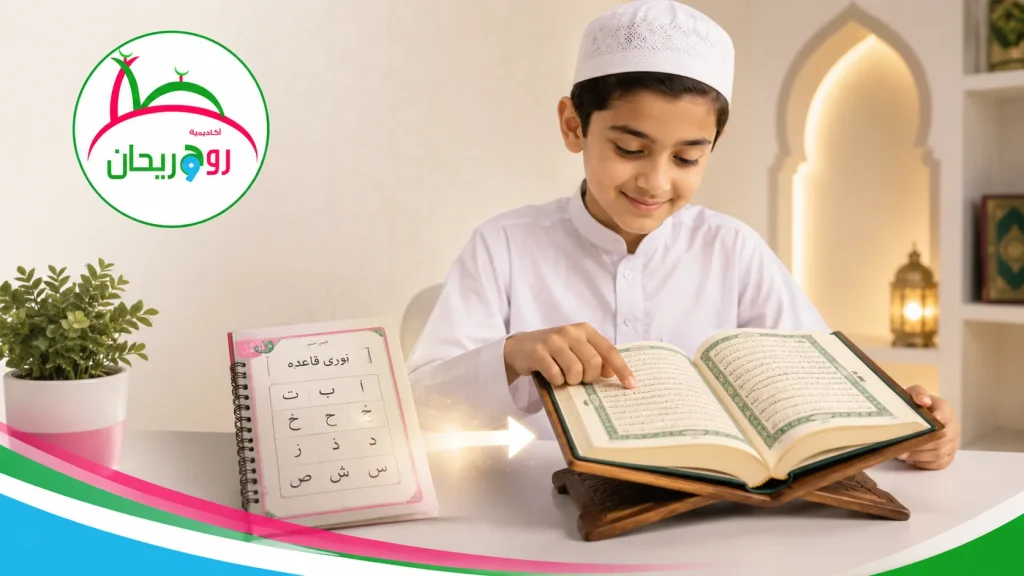
Fatha, Kasra and Damma become useful when the learner can recognise them
naturally inside real Arabic words. The
Online Arabic Program
places these foundations inside a wider reading and language pathway.
Learn with a teacher who starts from your real level.
Explore the learning paths or meet a teacher first. You can try the lesson and decide whether the pace and teaching style feel right.