
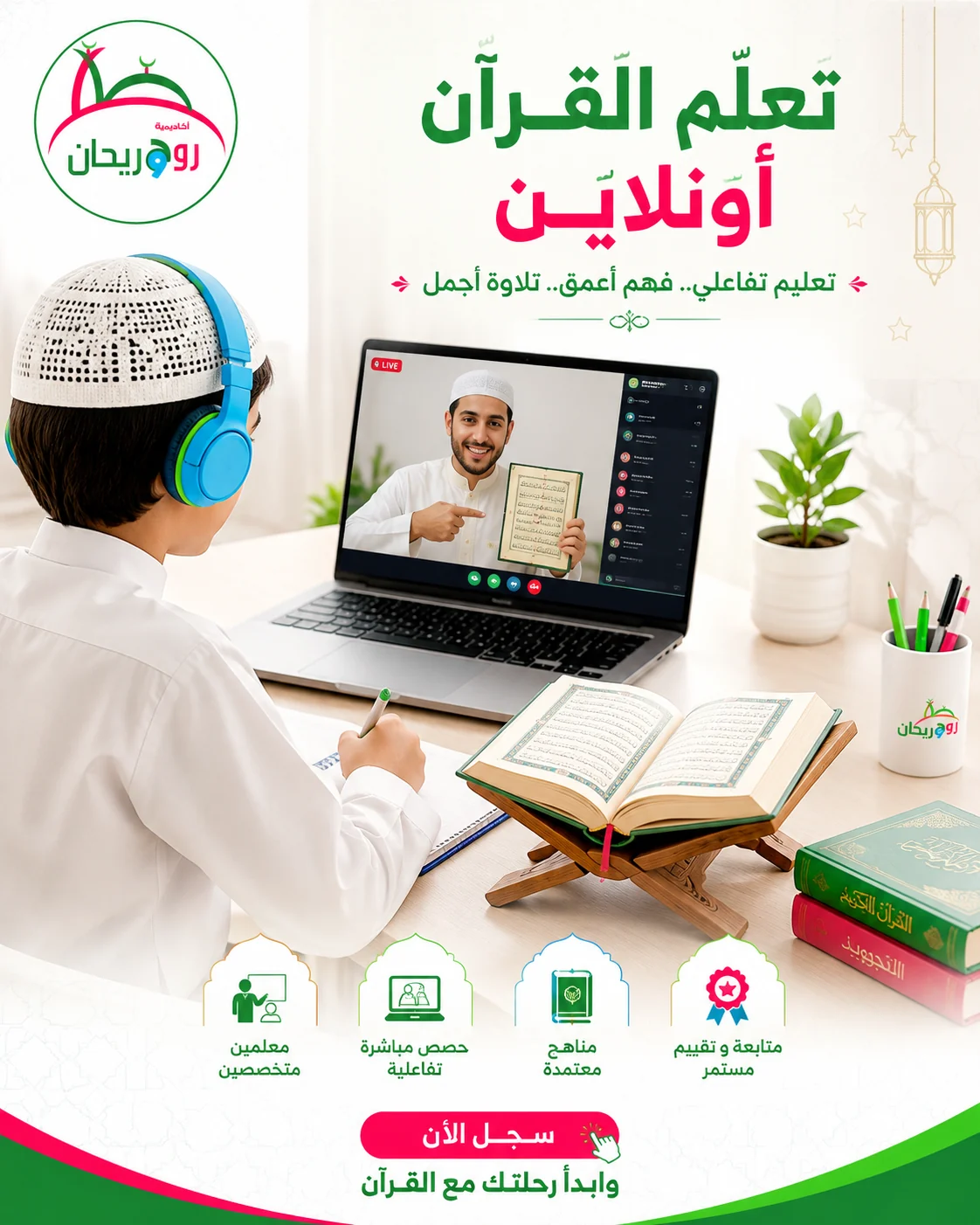
A free trial should answer real questions
A trial lesson is most useful when it feels like a real class: the learner meets the teacher, does some actual work and leaves with a clearer idea of level, teaching style and next steps.
You should know more after the trial than before it
The family can see how the teacher explains, listens and corrects. The learner can judge whether asking questions feels comfortable. The teacher can observe enough to suggest a sensible starting point instead of relying only on a form.
That makes the decision more grounded. You are not choosing from promises; you are choosing after seeing how the lesson actually feels.
Meet the teacher
See how the teacher communicates with the learner before settling into a regular schedule.
Check the level
Use a few real activities to understand where the learner should begin.
Ask practical questions
Discuss goals, timing and what regular lessons would look like for your family.
There is no need to force the first match
If the first teacher does not feel suitable, tell us. A trial is useful precisely because it gives the family a chance to notice that before committing to a routine.
Try a real lesson first
Book a free trial and use it to make a better-informed decision about the teacher, level and learning plan.