
Arabic for Kids Who Do Not Speak Arabic at Home
A child who rarely hears Arabic outside class is not failing when new words disappear quickly. The language simply has fewer chances to return. Families can solve part of that problem by creating small, repeatable points of contact even when the parents themselves are not fluent.
Use short regular Arabic exposure, repeat useful everyday phrases and combine speaking with age-appropriate reading rather than relying on one weekly lesson alone.
Choose a small amount of Arabic the family can actually repeat
Five useful phrases used every day can become stronger than fifty phrases heard once. Greetings, simple requests, colours or familiar objects give Arabic a place in real life. Parents can learn alongside the child instead of waiting until they are fluent enough to “teach”.
Keep literacy moving alongside listening
Children who only memorise spoken phrases may later struggle to recognise the same language in print. A gradual Arabic alphabet and reading path gives the child another way to access Arabic. Arabic Alphabet for Beginners can be adapted to short child-friendly sessions.

Consistency, encouragement and repeating the teacher’s small weekly targets can make the home environment much more supportive.
Do not turn every Arabic moment into a test
If every parent-child interaction becomes “What does this word mean?”, the language can start feeling like homework. Use some Arabic naturally without demanding an answer each time. Understanding often grows before the child is ready to produce the language independently.
Let the teacher provide the structure parents cannot
A teacher can sequence vocabulary, correct pronunciation and track what has been learned. At home, the family reinforces a few selected items. This partnership is more realistic than expecting parents with limited Arabic to recreate a full curriculum themselves.
Protect consistency when school becomes busy
Arabic often disappears first when other activities increase. A smaller routine is better than a complete stop. Ten minutes of reading or a short conversation game can keep the language present until more time returns. Families can discuss the right level during the Free Trial.

Watch and understand the idea
A useful video can make the idea easier to hear or see before you practise it in your own lesson.
Questions learners often ask
Can my child learn Arabic if neither parent speaks it?
Yes. A structured teacher and regular exposure can build skills while parents support the routine and learn selected material alongside the child.
Should children learn speaking or reading first?
They can develop together at different speeds. The balance depends on the child’s age and the family’s goals.
How much Arabic should we use at home?
Start with an amount the family can repeat consistently rather than introducing many phrases that disappear after a few days.
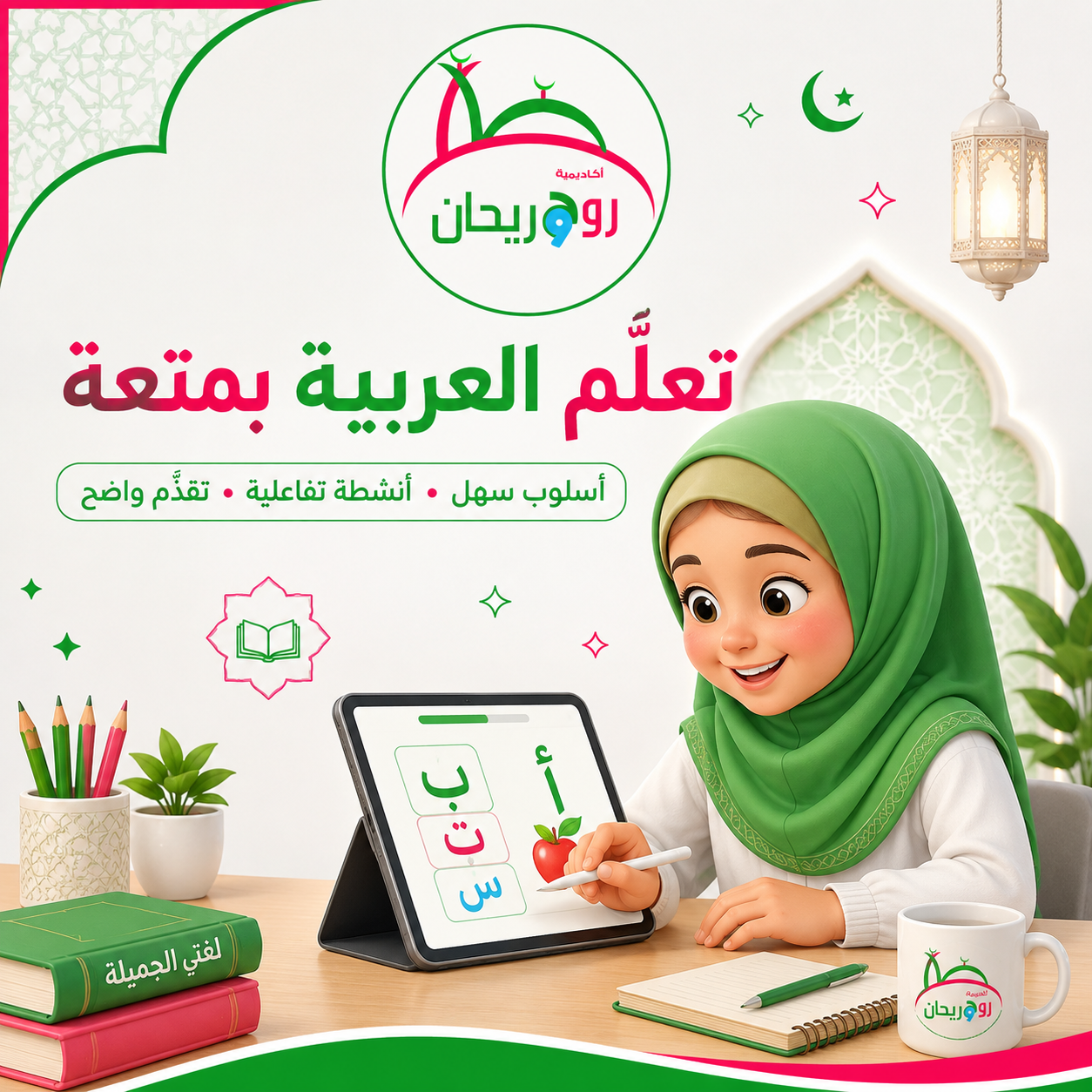

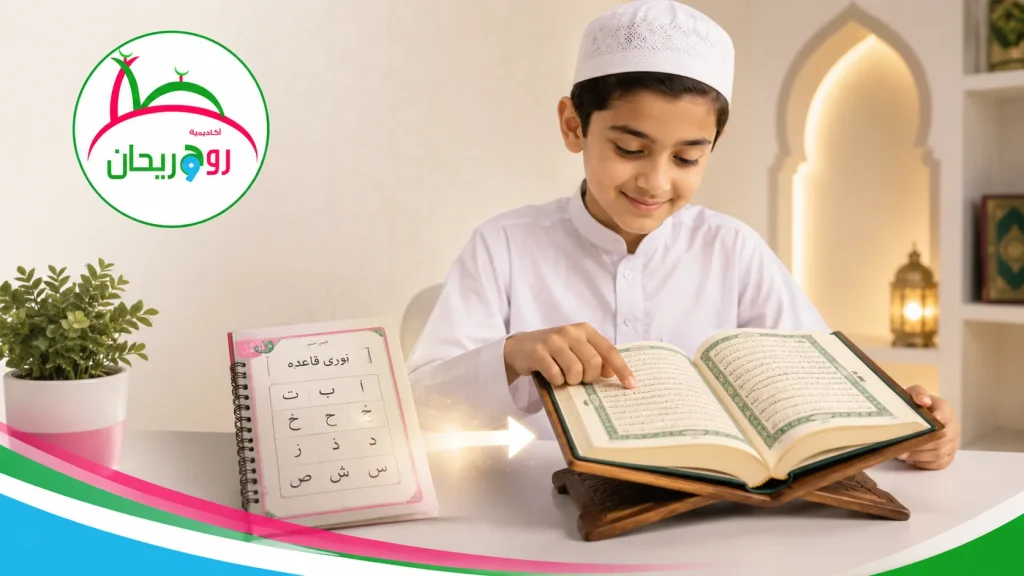

Children growing up outside Arabic-speaking homes often need a pathway that
builds confidence gradually rather than assuming regular Arabic exposure.
Explore the
Online Arabic Program
and
our Arabic teachers
to see how learning can be matched to a child’s real starting point.
Learn with a teacher who starts from your real level.
Explore the learning paths or meet a teacher first. You can try the lesson and decide whether the pace and teaching style feel right.